

A clear guide to choosing a back pain specialist in Islamabad: what causes back pain, what physiotherapy involves, and which service suits your situation.

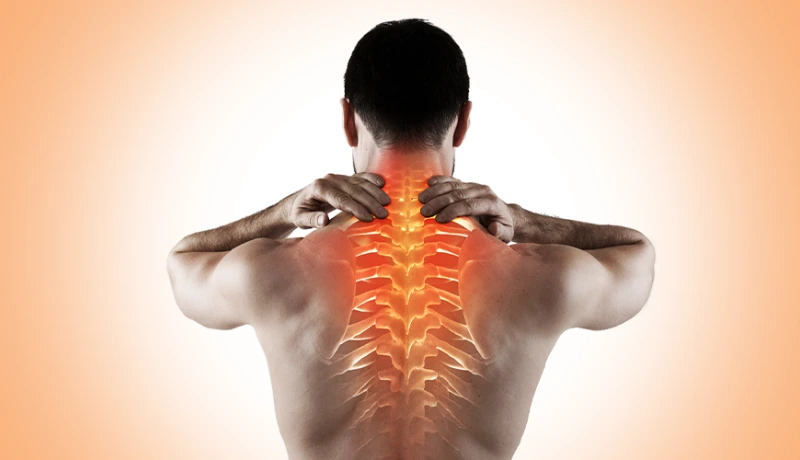
You bent to pick something up, or sat through a long meeting at work, and your lower back has not felt the same since. Some days it is a dull ache. Other days it catches you when you stand, or it travels down one leg and makes the drive home on Islamabad’s roads uncomfortable.
This guide helps you choose a back pain specialist in Islamabad with confidence. We explain what back pain is often a symptom of, what a physiotherapy assessment looks at, what treatment involves at our clinic in F-7 Markaz, and which of our services suits your situation best.
Quick answer
How do I choose a back pain specialist in Islamabad?
Choose a back pain specialist in Islamabad who assesses you first, explains what is causing your pain, and builds a plan around your daily life. At Physiatrics Physiotherapy Clinic in F-7 Markaz, our DPT-qualified team treats disc issues, muscle strain, sciatica and posture pain with manual therapy, dry needling, shockwave and corrective exercise.
What should a back pain specialist in Islamabad actually do?
A good specialist starts with an assessment, not a machine. Before any treatment, they should ask where the pain sits, how long it has been there, what makes it better or worse, and what your days look like – long desk hours, driving, lifting children, or standing in a kitchen.
At Physiatrics Physiotherapy Clinic, every plan begins with assessment and diagnosis. Our team then moves through a pain relief phase, corrective exercises and long-term prevention. That order matters: calming the pain first, then rebuilding strength and movement so the problem is less likely to return.
When you are choosing, look for:
- Qualified staff. Our doctors hold a Doctor of Physical Therapy (DPT) degree, and Dr. Gul Afsheen also holds a Master’s in Musculoskeletal Physiotherapy (MS-MSK PT).
- A clear explanation. You should leave the first visit understanding what is likely driving your pain.
- A plan you can follow. Exercises should fit your home and work routine, not the other way round.
- Honest expectations. No one can promise a cure. A careful specialist talks about steady improvement and what you can do to help it.
If you want more detail on how physiotherapy fits in, read our guide to Back Pain Treatment in Islamabad: How Physiotherapy Helps.
What is back pain a symptom of?
Back pain is often a symptom of strain on muscles, ligaments, discs or joints in the spine, rather than a disease on its own. Most cases we see are mechanical: the structures of the back are irritated by how they have been loaded or moved.
Common causes include:
- Muscle strain or ligament sprain from overexertion, improper lifting or a sudden movement. This is one of the leading causes of acute lower back pain.
- Herniated or bulging discs, where a disc presses on a nerve and causes sharp pain that can travel down the leg (sciatica).
- Degenerative disc disease, where discs wear with age and cause stiffness and reduced mobility.
- Posture-related pain from long hours at a desk or in a car.
- SI joint pain and muscle spasm.
Sometimes back pain is a sign of something that needs medical attention rather than physiotherapy alone. Get urgent medical help if you have loss of bladder or bowel control, numbness around the groin, new weakness in the legs, fever with back pain, or severe pain after a fall or accident.
What is back pain caused by in daily life?
In our experience, back pain is caused by a mix of load, posture and time. A single heavy lift can do it, but so can months of sitting in the same position.
For readers in Islamabad and Rawalpindi, a few patterns come up again and again:
- Long desk hours with a laptop at the wrong height, often at home.
- Commutes on uneven roads, with the lower back taking the bumps.
- Lifting children, shopping or water containers without bending the knees.
- Sudden weekend sport after a quiet week.
- Sleeping on a mattress that no longer supports the spine.
None of these is a diagnosis. They are the kind of details a physiotherapist will ask about, because changing them is often as useful as any treatment in the clinic.
What does back pain treatment at our clinic involve?
Treatment at Physiatrics Physiotherapy Clinic is hands-on, planned and step by step. We treat lumbago, disc herniation, sciatica, muscle spasm, posture pain and SI joint pain.
Our approach follows four stages:
- Assessment and diagnosis to understand the source of your pain.
- Pain relief phase using manual therapy, dry needling and shockwave therapy where suitable.
- Corrective exercises to rebuild strength, movement and confidence.
- Long-term prevention so you know how to protect your back going forward.
We also use kinesiotaping and Bio Stimulation Magneto Therapy as part of care. The exact mix depends on your assessment, not on a fixed package. For full details, see our Back Pain service page.
How do I get back pain relief and exercise safely?
Relief usually starts with calming the pain, then gently restoring movement. Rest for a day or two can help an acute flare, but long bed rest tends to make the back stiffer.
General, gentle habits that many people find helpful:
- Change position every 30 to 40 minutes rather than sitting for hours.
- Walk short distances on flat ground, at a pace that feels comfortable.
- Keep heat or cold on the area briefly if it soothes you.
- Try gentle pelvic tilts lying on your back, and stop if the pain gets worse.
- Avoid heavy lifting and twisting while the pain is sharp.
Please be assessed by a qualified physiotherapist or doctor before starting any exercise, especially if the pain travels down your leg or you have had surgery. Stop any exercise if the pain gets worse, and get urgent medical help for the red flags listed above.
Which of our services suits your back pain?
Most back pain is treated through our back pain service, but some situations are better served by another team member or a combined plan. Here is how we think about it.
| Service | Who it suits |
|---|---|
| Back Pain | Lower back pain, disc issues, sciatica, muscle spasm, posture pain and SI joint pain. This is the main starting point for most readers. |
| Arthritis Pain | Joint-related pain and stiffness, including spinal joints affected by arthritis. |
| Knee Pain | Knee pain that changes how you walk and stand, which can then load the back. |
| Shoulder Pain | Shoulder problems that affect posture and how you sit at a desk. |
| Sports Injury | Back or spine pain after sport, gym work or a fall during activity. |
| Pediatric Physiotherapy | Children and teenagers with posture or movement concerns. |
If you are not sure which fits, call us and describe your pain. We will point you to the right assessment.
How much does treatment cost, and when can I come?
Fees depend on your assessment and the treatment plan we recommend, so we do not quote a single figure before seeing you. Call us for current fees.
We are open Monday to Friday 12 PM to 10 PM, Saturday 12 PM to 8 PM, and Sunday 3 PM to 10 PM. The clinic is on the 5th Floor of Safa Gold Mall, F-7 Markaz, Islamabad, which is convenient for readers across Islamabad and Rawalpindi.
To book, call +92 309 5558625, book online on our website, or visit the clinic. Online consultations are also available if travel is difficult on a given day.
Which one is right for you?
If your pain is in the lower back, travels down a leg, or follows a disc problem, start with our Back Pain service. That is where most readers belong.
If the pain sits in a joint and comes with stiffness, look at arthritis care. If a knee or shoulder problem is changing how you move, treating that may ease the back too. And if you are simply unsure, book an assessment. A careful physiotherapist will tell you what they find and what they would do next, without pressure.
For help weighing up practitioners, our guide on how to choose the Best Physiotherapist in Islamabad walks through the questions worth asking.
Services in this guide
Frequently asked questions
What is back pain a symptom of?
Back pain is often a symptom of strain on the muscles, ligaments, discs or joints of the spine. Common causes include muscle strain, herniated or bulging discs, degenerative disc disease, posture problems and SI joint pain. A physiotherapy assessment helps identify which structures are likely involved so treatment can be targeted.
What is back pain caused by in everyday life?
Everyday causes include long desk hours, poor lifting technique, long commutes, sudden weekend sport and unsupportive mattresses. Often it is a mix of load, posture and time rather than one event. A physiotherapist will ask about your routine because changing these patterns is part of recovery.
How do I get back pain relief at home?
Gentle movement, short walks, changing position every 30 to 40 minutes and brief heat or cold can help calm a flare. Avoid heavy lifting and twisting while the pain is sharp. Be assessed by a qualified physiotherapist or doctor before starting exercises, and stop if the pain gets worse.
When should I see a doctor urgently for back pain?
Get urgent medical help if you have loss of bladder or bowel control, numbness around the groin, new weakness in the legs, fever with back pain, chest pain or breathlessness, or severe pain after a fall or accident. These signs need medical assessment rather than routine physiotherapy.
Where is Physiatrics Physiotherapy Clinic located?
We are on the 5th Floor of Safa Gold Mall, F-7 Markaz, Islamabad. We are open Monday to Friday 12 PM to 10 PM, Saturday 12 PM to 8 PM and Sunday 3 PM to 10 PM. Call +92 309 5558625, book online, or visit us to arrange an assessment.
Do you offer online consultations for back pain?
Yes. Online consultations are available if travel is difficult. We can discuss your symptoms, review what you are doing at home and advise on next steps. For hands-on treatment such as manual therapy, dry needling or shockwave, you would need to visit the clinic in F-7 Markaz.