
A practical guide to sports injury treatment in Islamabad: immediate steps, physiotherapy assessment, rehabilitation phases, gentle early exercises, and how to return to sport safely.

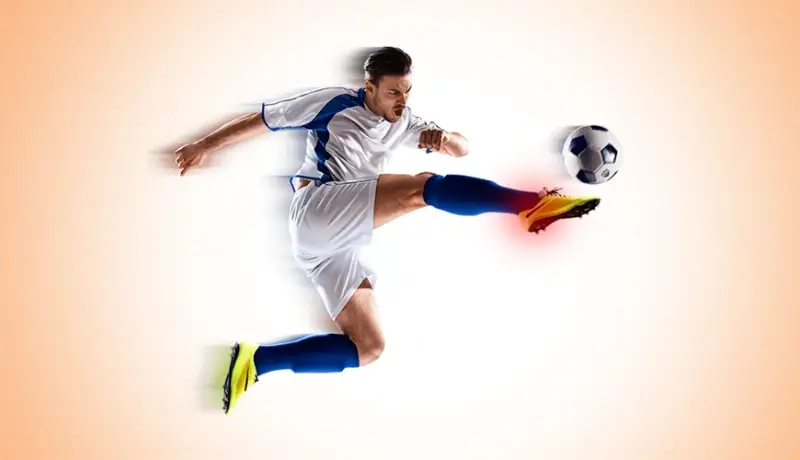
You twisted your knee playing football, felt a sharp pull in your hamstring during a run, or your shoulder has been aching since the last badminton game. The first few days can feel confusing: should you rest completely, or keep moving?
This guide explains what to do right after a sports injury, when to seek urgent medical help, and how physiotherapy rehabilitation works at Physiatrics Physiotherapy Clinic. It also covers gentle early exercises and how to reduce the risk of the same injury returning.
Quick answer
What is sports injury treatment in Islamabad and how does it work?
Sports injury treatment in Islamabad starts with an assessment to identify the injured tissue, followed by pain relief, gentle exercises, and a gradual return to sport. Physiotherapy at Physiatrics Physiotherapy Clinic in F-7 Markaz uses manual therapy, taping, and corrective exercise to help you recover safely and reduce the risk of re-injury.
What should you do immediately after a sports injury?
Stop the activity, protect the area, and use relative rest rather than complete bed rest. Early gentle movement within a comfortable range helps recovery for many soft-tissue injuries.
For the first 24 to 48 hours, you can follow the PEACE and LOVE approach, which is widely used in sports medicine:
- Protect: Avoid movements that cause sharp pain. Use a support or crutch if needed.
- Elevate: Raise the injured limb above heart level when possible to reduce swelling.
- Avoid anti-inflammatories and ice: Do not routinely use anti-inflammatory medication or ice for minor injuries unless advised by a doctor. Ice may be used briefly for pain relief, but it can slow healing if overused.
- Compress: A light bandage can help control swelling. Do not wrap too tightly.
- Educate: Learn about your injury and avoid unnecessary scans or passive treatments. Let pain guide your activity.
After the first day or two, add LOVE:
- Load: Start gentle, pain-free movement and loading as soon as you can.
- Optimism: Stay positive. Most sports injuries recover well with the right plan.
- Vascularisation: Do light aerobic activity, such as walking or easy cycling, to keep blood flowing.
- Exercise: Begin simple range-of-motion and strengthening exercises when comfortable.
If you are unsure about the severity, get assessed. A physiotherapist can check the injury and guide you. For sports injury treatment in Islamabad, you can book a sports injury assessment at Physiatrics Physiotherapy Clinic.
Which injuries need urgent medical help rather than a routine physiotherapy visit?
Some signs mean you should go to an emergency department or see a doctor immediately, not wait for a physiotherapy appointment.
- Loss of bladder or bowel control, or numbness around the groin or saddle area.
- New weakness in the legs or arms, or inability to bear weight.
- Severe pain, deformity, or swelling after a fall or accident.
- Chest pain, breathlessness, or fainting during or after sport.
- Fever with back pain or a hot, red, swollen joint.
- A head injury with confusion, vomiting, or drowsiness.
These red flags need urgent medical review. Once serious issues are ruled out, physiotherapy can begin. A sports injury doctor in Islamabad can also refer you for imaging if needed.
What does a sports injury physiotherapy assessment check?

A physiotherapist will ask how the injury happened, your training routine, and your goals. Then they examine the area gently.
The assessment usually includes:
- Observation of swelling, bruising, or posture.
- Checking the range of movement and strength.
- Specific tests for ligaments, tendons, or muscles.
- Assessing balance, gait, and sport-specific movements.
- Reviewing your training load, footwear, and technique.
At Physiatrics Physiotherapy Clinic, assessment is done by experienced doctors of physical therapy, including Dr. Ahmed Tanveer and Dr. Gul Afsheen, who design personalised rehabilitation plans. The clinic is on the 5th Floor of Safa Gold Mall, F-7 Markaz, Islamabad.
How does rehabilitation progress from pain relief to return to sport?
Rehabilitation usually moves through phases, but the timeline varies with the injury and the person. The phases are not strict; your physiotherapist will adjust them to your progress.
- Pain relief and protection: Reduce pain and swelling with relative rest, gentle movement, and modalities such as manual therapy or kinesiotaping if appropriate.
- Restore movement and strength: Gradually increase range of motion and begin strengthening exercises for the injured area and surrounding muscles.
- Functional training: Add sport-specific movements, balance work, and agility drills.
- Return to sport: Progress to full training and competition when strength, movement, and confidence are adequate.
At Physiatrics Physiotherapy Clinic, treatment may include manual therapy, dry needling, shockwave therapy, kinesiotaping, corrective exercise, and Bio Stimulation Magneto Therapy. These are chosen based on your assessment, not as a fixed package.
Which gentle exercises are used early on, and when should you stop?
Early exercises are gentle and should not cause sharp pain. Stop if the pain gets worse or if you feel new symptoms.
Here are examples for common areas. Always be assessed by a qualified physiotherapist or doctor before starting.
Ankle sprain
- Ankle pumps: move your foot up and down slowly, 10 to 15 times.
- Gentle alphabet: trace letters with your big toe, small movements only.
Knee strain
- Quad sets: sit with your leg straight, tighten your thigh muscle, hold for 5 seconds, relax. Repeat 10 times.
- Heel slides: lying down, slide your heel toward your buttock within a comfortable range.
Shoulder strain
- Pendulum swings: lean forward and let your arm hang, make small circles.
- Wall slides: slide your arm up a wall gently, only as far as comfortable.
Stop any exercise if the pain increases, swelling worsens, or you feel dizzy. If symptoms persist, contact the clinic. For knee-specific guidance, see knee pain physiotherapy.
How long does recovery take, and what affects it?
Recovery time depends on the type and severity of the injury, your age, fitness, and how well you follow the plan. Minor strains may settle in a few weeks, while more serious injuries can take months.
Factors that affect recovery include:
- The tissue involved (muscle, ligament, tendon, or bone).
- Whether you have had the injury before.
- Your training load and technique.
- Your general health and nutrition.
- How consistently you do your exercises.
Your physiotherapist will give you a realistic idea after the assessment. There are no fixed guarantees, but a structured plan helps you progress safely.
How can you reduce the risk of the injury happening again?
Prevention focuses on strength, balance, technique, and smart training. A physiotherapist can help you build a routine that fits your sport.
- Warm up before activity and cool down after.
- Increase training load gradually, not suddenly.
- Include strength and balance exercises in your weekly routine.
- Use proper footwear and equipment.
- Listen to early warning signs of pain and fatigue.
- Get enough sleep and eat well.
For athletes in Islamabad, the hot summers and smoggy air can affect outdoor training. Adjust timing and intensity, and stay hydrated. If you have a history of injury, a maintenance programme can help.
How do you book a sports injury assessment at Physiatrics Physiotherapy Clinic?
You can book by calling +92 309 5558625, using the online booking form on the website, or visiting the clinic. Online consultations are also available.
The clinic is on the 5th Floor of Safa Gold Mall, F-7 Markaz, Islamabad. Timings are Monday to Friday 12 PM to 10 PM, Saturday 12 PM to 8 PM, and Sunday 3 PM to 10 PM.
For fees, please contact the clinic directly, as prices may vary. The first visit includes an assessment and a plan. For sports injury treatment in Islamabad, learn more about sports injury physiotherapy.
Frequently asked questions
What is a sports injury?
A sports injury is damage to muscles, ligaments, tendons, or bones that happens during exercise or sport. Common examples include sprains, strains, and knee or shoulder injuries. It can be sudden (like a twist) or gradual from overuse. A physiotherapist can assess the injury and guide rehabilitation.
How long does it take to recover from a sports injury with physiotherapy?
Recovery time varies widely depending on the injury, its severity, and your overall health. Minor injuries may improve in a few weeks, while more serious ones can take several months. Your physiotherapist will give you a personalised estimate after assessment. Following your exercise plan consistently helps you progress safely.
What is sports injury management?
Sports injury management means looking after the injury from the moment it happens through to recovery. It includes immediate steps like protection and relative rest, then physiotherapy to restore movement and strength, and finally a gradual return to sport. The aim is to heal well and reduce the risk of re-injury.
What is sports injury rehabilitation?
Sports injury rehabilitation is a structured programme of exercises and treatments designed to help you recover from an injury and return to your sport. It usually includes pain relief, mobility work, strengthening, and sport-specific training. A physiotherapist tailors the programme to your injury and goals.
When should I see a sports injury doctor in Islamabad?
See a doctor if you have severe pain, cannot bear weight, notice deformity, or have red flags like numbness, weakness, or loss of bladder control. For persistent pain or difficulty returning to sport, a physiotherapist can assess you. At Physiatrics Physiotherapy Clinic, doctors of physical therapy provide assessment and rehabilitation.
Do I need a referral to see a physiotherapist for a sports injury?
In Pakistan, you can usually see a physiotherapist without a referral. However, if you have a serious injury or red flags, see a doctor first. A physiotherapist will assess you and can advise if you need further medical review. You can book directly with Physiatrics Physiotherapy Clinic.