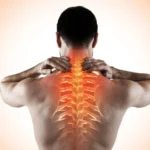

A clear guide to shoulder pain treatment in Islamabad. Learn what physiotherapy involves, which service suits you, and how to choose the right clinic.


You reach for a cup on the top shelf and a sharp pain stops you. Or you wake up with a stiff shoulder that will not move the way it used to. Shoulder pain is common in Islamabad, whether it comes from long hours at a desk, a weekend cricket match, or simply age-related wear.
This guide explains what shoulder pain treatment in Islamabad involves, what each option at Physiatrics Physiotherapy Clinic includes, and how to decide which service fits your situation. It is written for readers in Islamabad and Rawalpindi who want clear, honest information before booking a session.
Quick answer
What is the best shoulder pain treatment in Islamabad?
The best shoulder pain treatment in Islamabad starts with a proper assessment by a qualified physiotherapist. At Physiatrics Physiotherapy Clinic in F-7 Markaz, treatment may include manual therapy, dry needling, shockwave therapy, kinesiotaping, corrective exercise and Bio Stimulation Magneto Therapy, tailored to your shoulder condition.
What is shoulder pain a sign of?
Shoulder pain is a signal that something in or around the joint is irritated, injured, or not moving well. It is not a diagnosis on its own. A physiotherapist or doctor needs to assess you to find the cause.
Common causes include:
- Rotator cuff injuries: strains or tears in the muscles and tendons that stabilise the shoulder.
- Frozen shoulder (adhesive capsulitis): stiffness and limited movement due to inflammation.
- Shoulder impingement: tendons or ligaments getting compressed between bones.
- Tendinitis or bursitis: inflammation of tendons or the fluid-filled sacs around the joint.
- Arthritis: joint degeneration or inflammation, such as osteoarthritis or rheumatoid arthritis.
- Poor posture: misalignment from long hours at a desk or looking down at a phone.
- Sports injuries: acute or overuse injuries from cricket, badminton, gym work, or other activities.
- Age-related wear and tear: natural changes in joints and muscles over time.
These conditions can cause sharp or dull pain, limited mobility, weakness, stiffness, and sleep problems. If you have severe pain after a fall or accident, or you lose bladder or bowel control, or you feel numbness around the groin, or new weakness in your arms or legs, get urgent medical help. Those are red flags.
How do I relieve shoulder pain at home?
Gentle movement and rest from painful positions can help in the short term, but home care is not a substitute for assessment if the pain persists. Try these simple steps, and stop if the pain gets worse.
- Relative rest: avoid the movements that sharply increase pain, but do not stop using your arm completely. Gentle movement helps.
- Posture check: when sitting at a desk or using a phone, keep your shoulders relaxed and your screen at eye level. Slumping forward puts extra strain on the shoulder.
- Gentle range-of-motion: slowly move your shoulder forward, backward, and out to the side within a comfortable range. Do not push into sharp pain.
- Heat or cold: a warm pack can relax tight muscles; a cold pack may calm a fresh, hot, swollen area. Use a cloth between the pack and your skin.
If pain continues for more than a few days, or it disturbs your sleep, or you cannot lift your arm, see a qualified physiotherapist or doctor. They can assess what is happening and guide you safely.
What does shoulder pain physiotherapy involve?

Shoulder pain physiotherapy is a structured programme that starts with an assessment and then moves through pain relief, corrective exercises, and long-term prevention. At Physiatrics Physiotherapy Clinic, the team uses evidence-based techniques and modern equipment.
Your first visit usually includes a detailed history and a physical examination. The physiotherapist will check your shoulder movement, strength, and posture, and may ask about your daily activities and work. This helps identify the likely cause and rule out anything that needs a different kind of care.
Treatment may include:
- Manual therapy: hands-on techniques to improve joint movement and reduce pain.
- Dry needling: fine needles to release tight muscle knots and ease pain.
- Shockwave therapy: sound waves to stimulate healing in stubborn tendon problems.
- Kinesiotaping: elastic tape to support the shoulder and reduce strain during movement.
- Corrective exercise: personalised exercises to strengthen weak muscles and improve posture.
- Bio Stimulation Magneto Therapy: magnetic fields to support tissue repair and reduce inflammation.
Your physiotherapist will explain what each part is for and how it fits your situation. You can read more about the specific Shoulder Pain service at the clinic.
Which shoulder conditions does the clinic treat?
Physiatrics Physiotherapy Clinic treats a range of shoulder conditions, including rotator cuff injuries, frozen shoulder, impingement, posture-related pain, and post-surgery rehabilitation. The team also manages arthritis pain and sports injuries that affect the shoulder.
If your shoulder pain is linked to a broader condition, the clinic offers related services:
- Arthritis Pain for joint inflammation and degeneration.
- Sports Injury for acute or overuse injuries from sport and exercise.
- Back Pain if your shoulder problem is part of a wider postural or spinal issue.
- Knee Pain for lower limb problems that may affect how you move and load your shoulder.
Each service begins with an assessment so the physiotherapist can tailor the plan to you.
What happens during a shoulder pain assessment?
During a shoulder pain assessment, a physiotherapist will ask about your pain, your daily routine, and your medical history, then examine your shoulder and nearby areas. They will look at how you move, your strength, and your posture.
The assessment may include:
- Checking the range of movement in your shoulder and neck.
- Testing the strength of the muscles around your shoulder blade and arm.
- Feeling for tender points or tight areas.
- Observing how you sit, stand, and use your arm in everyday tasks.
Based on this, the physiotherapist will explain what they think is contributing to your pain and discuss a treatment plan. They may also refer you to a doctor if they find something that needs further investigation. At Physiatrics Physiotherapy Clinic, the assessment is done by qualified professionals, including Dr. Ahmed Tanveer (DPT) and Dr. Gul Afsheen (DPT, MS-MSK PT), who specialises in musculoskeletal disorders and is certified in dry needling and kinesiotaping.
How do I choose the right shoulder pain treatment in Islamabad?
Choose a clinic that offers a proper assessment, a clear plan, and qualified physiotherapists. In Islamabad, you have several options, so it helps to know what to look for.
Consider these points:
- Assessment first: A good clinic will assess you before suggesting treatment. Avoid anyone who promises a cure without examining you.
- Qualified staff: Look for physiotherapists with relevant degrees and experience in musculoskeletal care.
- Range of techniques: A clinic that offers manual therapy, exercise, and modern equipment can tailor treatment to your needs.
- Location and timings: Physiatrics Physiotherapy Clinic is on the 5th Floor of Safa Gold Mall, F-7 Markaz, Islamabad. It is open Monday to Friday 12 PM to 10 PM, Saturday 12 PM to 8 PM, and Sunday 3 PM to 10 PM.
- Fees: Call us for current shoulder pain treatment fees.
You can book an appointment by calling +92 309 5558625, booking online on the website, or visiting the clinic. Online consultations are also offered.
What other services might help my shoulder?
Sometimes shoulder pain is linked to other areas of the body or to a specific life stage. Physiatrics Physiotherapy Clinic offers several related services that may be part of your care.
- Back Pain if your posture or spine is contributing to shoulder strain.
- Knee Pain if lower limb issues are affecting how you move and load your upper body.
- Arthritis Pain if joint inflammation is a factor.
- Sports Injury for shoulder injuries from cricket, badminton, gym training, or other sports.
- Pediatric Physiotherapy for children with shoulder or upper limb conditions.
Your physiotherapist will discuss whether any of these are relevant to you.
Which one is right for you?
If your shoulder pain is the main problem, the Shoulder Pain service is the most direct starting point. If your shoulder pain is part of a wider issue, such as arthritis, a sports injury, or back and posture problems, the related services may also be included in your plan.
The first step is always an assessment. At Physiatrics Physiotherapy Clinic, the team will examine you, explain what they find, and recommend a treatment approach. They will not promise a cure or a fixed recovery time, because every shoulder is different.
To book, call +92 309 5558625, book online, or visit the clinic on the 5th Floor of Safa Gold Mall, F-7 Markaz, Islamabad. If you have red flags like loss of bladder or bowel control, numbness around the groin, new weakness in your arms or legs, chest pain or breathlessness, fever with back pain, or severe pain after a fall or accident, seek urgent medical help first.
Services in this guide
Frequently asked questions
What is shoulder pain a sign of?
Shoulder pain can be a sign of several conditions, including rotator cuff injuries, frozen shoulder, impingement, tendinitis, bursitis, arthritis, poor posture, or a sports injury. It is not a diagnosis on its own. A physiotherapist or doctor needs to assess you to find the cause and rule out anything serious.
How do I relieve shoulder pain at home?
Gentle movement, relative rest from painful positions, and good posture can help. You can try slow range-of-motion exercises within a comfortable range, and use a warm pack for tight muscles or a cold pack for a fresh, swollen area. Stop if the pain gets worse. If pain persists or you cannot lift your arm, see a qualified physiotherapist or doctor.
What does shoulder pain physiotherapy involve?
Shoulder pain physiotherapy usually starts with an assessment, then moves through pain relief, corrective exercises, and long-term prevention. At Physiatrics Physiotherapy Clinic, treatment may include manual therapy, dry needling, shockwave therapy, kinesiotaping, corrective exercise, and Bio Stimulation Magneto Therapy, tailored to your condition.
How much does shoulder pain treatment in Islamabad cost?
Call us for current shoulder pain treatment fees. Costs depend on the assessment and the treatment plan. Contact the clinic directly by calling +92 309 5558625 or visiting the website for current charges.
Where is Physiatrics Physiotherapy Clinic located in Islamabad?
Physiatrics Physiotherapy Clinic is on the 5th Floor of Safa Gold Mall, F-7 Markaz, Islamabad. It is open Monday to Friday 12 PM to 10 PM, Saturday 12 PM to 8 PM, and Sunday 3 PM to 10 PM. Appointments can be booked by phone, online, or in person.
Do I need a doctor’s referral to see a physiotherapist for shoulder pain?
In Pakistan, you can usually see a physiotherapist directly without a doctor’s referral. However, if you have red flags such as severe pain after a fall, loss of bladder or bowel control, numbness around the groin, new weakness in your arms or legs, chest pain, or fever with back pain, seek urgent medical help first. A physiotherapist may also refer you to a doctor if needed.