Pediatric physiotherapy helps children build strength, movement and confidence. This guide explains what it is, who it helps, and what to expect at Physiatrics Physiotherapy Clinic in F-7 Markaz, Islamabad.

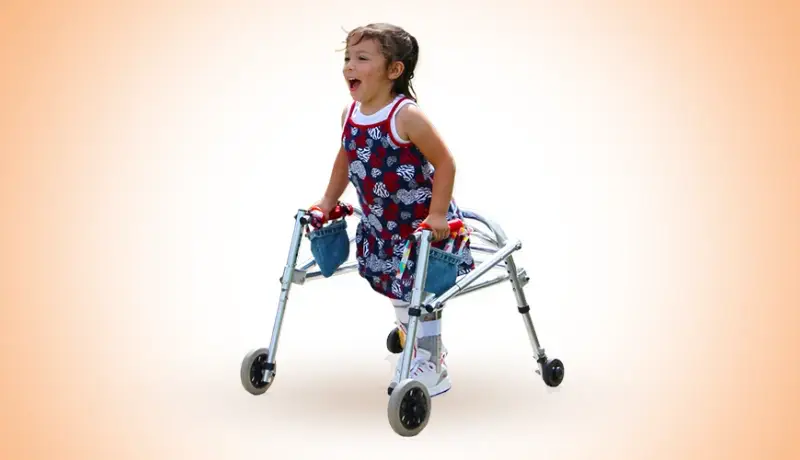
Your child may be slow to sit, crawl or walk. Or perhaps they are recovering from a sports injury, a fall, or surgery. As a parent, you want clear answers without scary words.
This post explains what pediatric physiotherapy is, which children benefit, and how sessions work at Physiatrics Physiotherapy Clinic in F-7 Markaz, Islamabad.
Quick answer
What is pediatric physiotherapy and who needs it?
Pediatric physiotherapy helps children improve movement, strength and coordination. It supports developmental delays, injuries, congenital conditions and recovery after surgery. At Physiatrics Physiotherapy Clinic in Islamabad, a physiotherapist assesses each child and designs gentle, play-based treatment to build skills for daily life.
What is pediatric physiotherapy?
Pediatric physiotherapy is physiotherapy for children, from newborns to teenagers. It focuses on movement, strength, balance and coordination. Because children are still growing, the approach is gentle and often uses play.
A pediatric physiotherapist looks at how a child moves, what muscles are weak or tight, and what daily tasks are hard. Then they build a plan to help the child move better and gain confidence. At Physiatrics Physiotherapy Clinic, this service is called Pediatric Physiotherapy.
Which children need pediatric physiotherapy?
Children who have trouble with movement, strength or coordination may benefit. This includes children with developmental delays, injuries, or conditions present from birth.
Common reasons parents bring a child for pediatric physiotherapy include:
- Delayed milestones, such as not sitting, crawling or walking at the expected age.
- Sports injuries or overuse pain, like shoulder or knee pain from swimming, cricket or gymnastics.
- Recovery after a fracture, surgery or accident.
- Congenital conditions, such as brachial plexus injury or clubfoot, that affect movement.
- Neurological conditions like cerebral palsy, which can cause stiffness or weakness.
- Poor posture or muscle imbalance from long hours of sitting at school or using devices.
- Juvenile arthritis, which can cause joint pain and stiffness.
If you are unsure whether your child needs help, a physiotherapist can assess them and explain what they find. They will not diagnose your child over the phone; an in-person assessment is needed.
What does a pediatric physical therapist do?
A pediatric physical therapist assesses your child’s movement, strength, balance and coordination. Then they use gentle exercises and play to help your child improve.
At Physiatrics Physiotherapy Clinic, the first visit is an assessment. The physiotherapist will:
- Ask about your child’s health history, birth history and daily routine.
- Watch how your child moves, sits, stands, walks or reaches.
- Check muscle strength, joint range and balance.
- Discuss goals with you, such as walking without support or returning to sport.
After the assessment, the physiotherapist designs a personalised plan. Treatment may include manual therapy, corrective exercises, kinesiotaping, or other techniques. The clinic also has equipment like shockwave therapy and Bio Stimulation Magneto Therapy, which may be used when appropriate. The therapist will explain what is suitable for your child.
How do pediatric physiotherapy sessions work for a child in Islamabad?
Sessions are usually one-on-one and last about 30 to 60 minutes. They often feel like play, with exercises hidden in games. Your child may use balls, balance boards or toys.
At Physiatrics Physiotherapy Clinic, sessions are tailored to your child’s age and needs. Babies may work on rolling, sitting or crawling. Older children may work on running, jumping or sport-specific skills. Parents are encouraged to stay and learn how to help at home.
The number of sessions depends on your child’s condition. Most children need a few sessions, but some need ongoing support. The physiotherapist will review progress and adjust the plan. You can book an appointment by calling +92 309 5558625 or visiting the clinic on the 5th Floor of Safa Gold Mall, F-7 Markaz, Islamabad. Online consultations are also available.
What are the benefits of pediatric physiotherapy?
Pediatric physiotherapy can help children move more easily, build strength, and take part in daily activities and play. It also supports confidence and independence.
Specific benefits may include:
- Improved balance and coordination.
- Better posture and muscle strength.
- Reduced pain and stiffness, where present.
- Faster return to sport or daily activities after injury.
- Support for developmental milestones.
Every child is different, so progress varies. Physiotherapy aims to help your child function better, not to promise a cure. The physiotherapist will set goals with you and review them regularly.
What techniques are used in pediatric physiotherapy?
Pediatric physiotherapy uses a mix of hands-on techniques, exercises and play. The choice depends on your child’s age and condition.
Common techniques include:
- Manual therapy: gentle hands-on movement of joints and muscles.
- Corrective exercises: specific movements to strengthen weak areas or stretch tight ones.
- Kinesiotaping: elastic tape to support muscles or joints.
- Shockwave therapy: sound waves used for some tendon or muscle problems in older children.
- Bio Stimulation Magneto Therapy: magnetic therapy used for pain relief and tissue healing.
- Play-based activities: games, balls and obstacles to build skills.
Not every technique is right for every child. The physiotherapist will explain what they recommend and why. If you have questions, ask during the session.
How can parents help at home?
Parents play a big role in pediatric physiotherapy. Doing simple exercises at home between sessions can help your child progress.
Here are general tips:
- Follow the home programme given by your physiotherapist.
- Keep practice short and playful, especially for young children.
- Praise effort, not just results.
- Make sure your child’s shoes and school bag are comfortable and supportive.
- Encourage active play, like walking, cycling or swimming, if your child is able.
Stop any exercise if your child’s pain gets worse, and tell your physiotherapist. Never force a movement that hurts. If your child has severe pain, numbness, weakness, or loss of bladder or bowel control, get urgent medical help.
Where can I get pediatric physiotherapy in Islamabad?
Physiatrics Physiotherapy Clinic offers pediatric physiotherapy in Islamabad. The clinic is on the 5th Floor of Safa Gold Mall, F-7 Markaz.
Doctors at the clinic include Dr. Ahmed Tanveer, Doctor of Physical Therapy (DPT) and gold medal holder, and Dr. Gul Afsheen, DPT with a Master’s in Musculoskeletal Physiotherapy (MS-MSK PT). They design personalised rehabilitation plans. The clinic is open Monday to Friday 12 PM to 10 PM, Saturday 12 PM to 8 PM, and Sunday 3 PM to 10 PM. To book, call +92 309 5558625, book online, or visit the clinic. Online consultations are also offered.
Fees for pediatric physiotherapy are not listed here. Please contact the clinic for current charges. The clinic also offers other services like Sports Injury physiotherapy and Knee Pain treatment for older children and adults.
Frequently asked questions
What is pediatric physiotherapy?
Pediatric physiotherapy is physiotherapy for children. It helps improve movement, strength, balance and coordination. It is used for developmental delays, injuries, congenital conditions and recovery after surgery. Sessions are gentle and often play-based, tailored to the child’s age and needs.
What does a pediatric physical therapist do?
A pediatric physical therapist assesses a child’s movement, strength and coordination. They then design a treatment plan using exercises, manual therapy and play. They also teach parents how to help at home. The goal is to improve daily function and independence, not to promise a cure.
How do pediatric physiotherapy sessions work for a child in Islamabad?
Sessions are usually one-on-one and last 30 to 60 minutes. They often feel like play. At Physiatrics Physiotherapy Clinic in F-7 Markaz, the physiotherapist assesses your child first, then uses techniques suited to their age and condition. Parents are encouraged to stay and learn home exercises.
Which children need pediatric physiotherapy?
Children with delayed milestones, sports injuries, recovery after surgery, congenital conditions like brachial plexus injury, or neurological conditions like cerebral palsy may benefit. If you are unsure, a physiotherapist can assess your child and explain what they find.
How many sessions will my child need?
The number of sessions depends on your child’s condition and goals. Some children need a few sessions, while others need ongoing support. The physiotherapist will review progress regularly and adjust the plan. They will discuss this with you after the assessment.
Is pediatric physiotherapy safe?
Yes, when done by a qualified physiotherapist, pediatric physiotherapy is safe. Techniques are gentle and adapted to the child’s age. Always tell the physiotherapist if your child feels pain or discomfort. Stop any exercise that makes pain worse and seek advice.